Month: June 2026

Properties for sale in Cap Cana

Why Cap Cana properties for sale continue to appeal to international investors

The real estate market in Cap Cana remains favorable for those considering purchasing a property in the Dominican Republic. Its residential growth, the development of new services, and sustained interest from domestic and international buyers have made this destination a compelling option for investment, vacation homes, or permanent residences. Against this backdrop, properties for sale in Cap Cana stand out as an option associated with quality of life, appreciation potential, and tourist appeal.Inversiones AIDES notes that interest in this area arises from several factors tied to the region’s ongoing development, strong international demand, and the chance to plan long-term financial…
Read More
Apartments for sale in Cap Can

Cap Cana apartments for sale to business travelers and tourists

Tourism-focused real estate continues to attract individuals interested in assets that preserve value while offering steady income streams. In the Dominican Republic, apartments for sale in Cap Cana have become increasingly notable thanks to their alignment with the lodging needs of tourists, business travelers, and temporary residents who select this area for short- or medium-term stays.Inversiones AIDES recognizes this trend as part of a wider shift toward acquiring properties that promise capital growth and solid returns through rental income. Cap Cana’s development as a master-planned destination has prompted buyers and investors to analyze market dynamics more thoroughly before committing to…
Read More
Ghana: mining and agriculture CSR with transparency and sustainable community projects

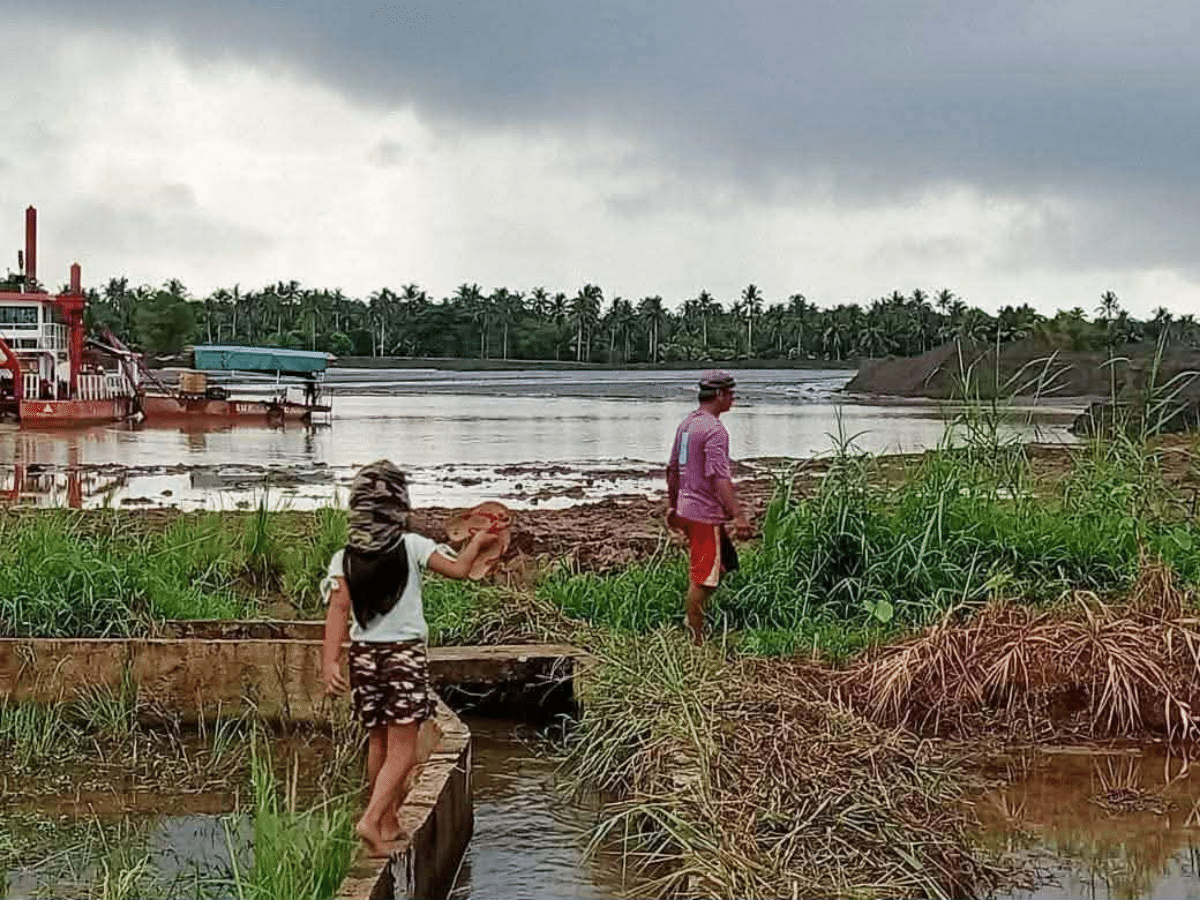
Water contamination and fisheries disruption in Ghana’s mining regions: CSR ecosystem restoration frameworks

Ghana's economy rests on two closely connected pillars: mining and agriculture. Mining, driven by gold, manganese, bauxite, and various industrial minerals, generates substantial export income and government revenues. Agriculture, centered on cocoa, staple crops, and smallholder farming systems, sustains livelihoods for much of the population while feeding into international commodity markets. These sectors both create prosperity and place pressure on ecosystems and local communities. Corporate social responsibility (CSR) and transparency therefore serve not as optional add-ons but as vital mechanisms to reduce environmental risks, safeguard human rights, and secure lasting benefits for surrounding communities.Primary CSR obstacles confronting Ghana's mining industryGhanaian…
Read More
Ghana: mining and agriculture CSR with transparency and sustainable community projects

Human rights protection across Ghana’s mining and farming sectors: CSR governance and accountability mechanisms

Ghana's economy rests on two closely connected pillars: mining and agriculture. Mining, driven by gold, manganese, bauxite, and various industrial minerals, generates substantial export income and government revenues. Agriculture, centered on cocoa, staple crops, and smallholder farming systems, sustains livelihoods for much of the population while feeding into international commodity markets. These sectors both create prosperity and place pressure on ecosystems and local communities. Corporate social responsibility (CSR) and transparency therefore serve not as optional add-ons but as vital mechanisms to reduce environmental risks, safeguard human rights, and secure lasting benefits for surrounding communities.Key CSR challenges in Ghana's mining sectorGhanaian…
Read More
Why is synthetic biology expanding beyond pharmaceuticals into materials?

Beyond insulin: synthetic biology’s expansion into advanced materials science

Synthetic biology first gained prominence through its impact on pharmaceuticals, where engineered microbes produce insulin, vaccines, and complex biologic drugs. Over the past decade, the same core capabilities—precise genetic design, scalable fermentation, and data-driven optimization—have matured and become cost-effective enough to address challenges far beyond medicine. As a result, synthetic biology is now expanding rapidly into materials science, targeting sectors such as textiles, construction, packaging, and electronics.This expansion is driven by a convergence of technological readiness, market demand for sustainability, and limitations of traditional material manufacturing.Technologies Driving the Widespread GrowthMultiple technological breakthroughs have increasingly reduced the obstacles to using synthetic…
Read More
Angola: CSR cases improving safe water access and preventive health in rural areas

Angola’s rural development: bridging health service gaps via CSR commitments

Angola’s post-conflict development trajectory has improved macroeconomic indicators, but rural communities still face persistent deficits in safe water and preventive health services. Private-sector actors — particularly oil and gas firms, mining companies, and international corporations operating in Angola — have implemented Corporate Social Responsibility (CSR) programs that target water, sanitation, hygiene (WASH) and preventive health. These interventions often complement government and donor efforts and can generate durable gains when they are community-led, technically sound, and coordinated with public systems.Context and needDemographics and access gaps: Angola’s population is roughly in the mid-thirties of millions, with a substantial rural population concentrated in…
Read More
Why is AI governance becoming a core requirement for regulated industries?

The regulatory imperative: why regulated industries must adopt AI governance for algorithmic accountability

Artificial intelligence is rapidly moving from experimental deployments to mission-critical systems across regulated industries such as finance, healthcare, energy, telecommunications, insurance, and pharmaceuticals. As AI increasingly influences decisions with legal, ethical, and societal impact, governance is no longer optional. It is becoming a foundational requirement driven by regulation, risk management, and public accountability.The Expanding Role of AI in High-Stakes EnvironmentsRegulated industries adopt AI to improve efficiency, accuracy, and scalability. Examples include credit scoring models in banking, diagnostic algorithms in healthcare, fraud detection in insurance, algorithmic trading in capital markets, and predictive maintenance in utilities. These systems often operate at scale…
Read More