Iceland’s energy landscape: a foundation for socially responsible transition
Iceland is widely recognized as a global leader in renewable energy. Roughly 99–100% of its electricity supply comes from renewable sources — primarily hydropower and geothermal energy — and renewables account for a large share of the country’s total primary energy use. That technical foundation gives Icelandic energy companies unusually strong leverage to promote a low-carbon economic model while pursuing social objectives: affordable district heating, regional employment, technological innovation, and conservation of fragile landscapes.
Key infrastructure and corporate actors
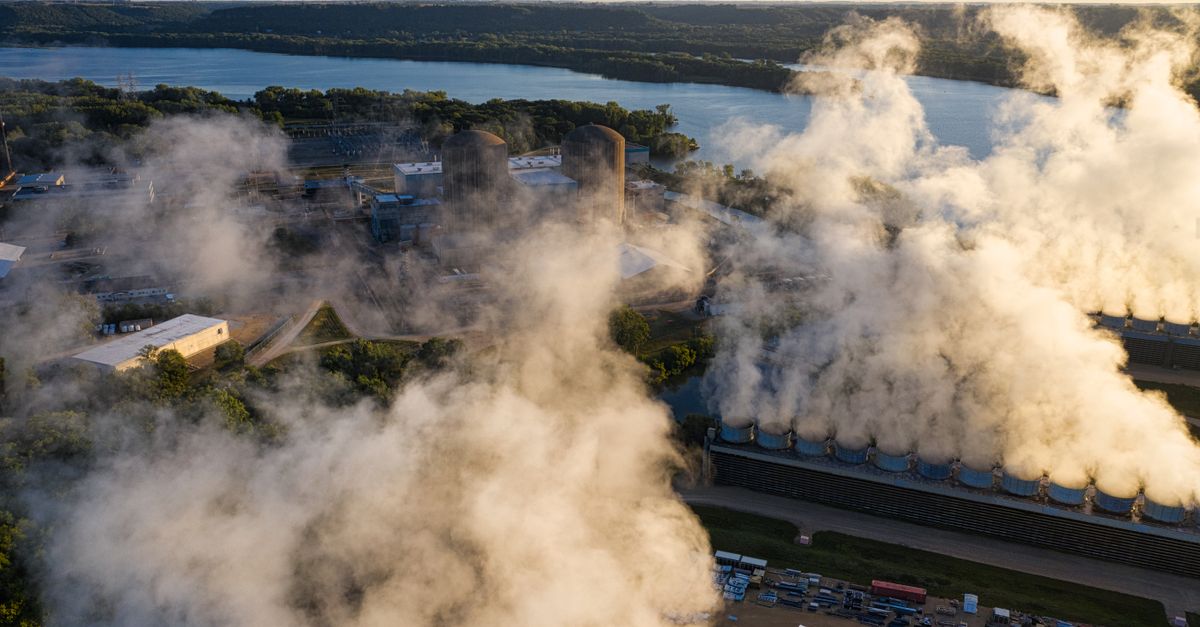
- Hydropower and geothermal plants: Large-scale hydropower reservoirs in the highlands and multiple geothermal fields around the Reykjanes peninsula and Hengill area supply baseload and district heat.
- Main operators: National and municipal utilities and independent developers operate the system — for example, Landsvirkjun (the national power company), Reykjavík Energy/ON Power (major urban district heating and geothermal operations), and several private geothermal firms.
- Industry linkages: Energy-intensive industry, notably aluminium smelting and data centers, has historically partnered with power producers for long-term power contracts, shaping regional development and CSR responsibilities.
Corporate social responsibility (CSR) pillars in Icelandic energy
CSR in Iceland’s energy sector centers on four complementary pillars that balance decarbonization, environmental stewardship, and local well-being.
- Environmental stewardship: Safeguarding aquatic ecosystems, wetlands, and volcanic terrain; rehabilitating environments disrupted by building activities; and cutting down thermal and chemical discharges originating from geothermal facilities.
- Community investment and social well-being: Financing regional infrastructure, educational initiatives, cultural projects, and cost-effective district heating designed to alleviate energy hardship.
- Inclusive economic development: Generating employment opportunities in isolated areas, placing local sourcing first, and arranging fair benefit-sharing agreements with host populations.
- Transparency and governance: Disclosing emissions, environmental footprints, and resource allocation openly; involving stakeholders throughout the planning and oversight phases.
Illustrative examples and measurable outcomes
- District heating and public health: Urban district heating networks powered largely by geothermal reduce household reliance on imported fossil fuels for space and water heating. This translates into lower household energy bills and improved indoor air quality — measurable reductions in particulate emissions compared with oil or coal heating.
- CarbFix – carbon removal innovation: At the Hellisheiði geothermal plant, an Icelandic research consortium developed the CarbFix process to dissolve CO2 in water and mineralize it in basalt rock. CarbFix has demonstrated rapid, permanent CO2 storage and underpins corporate climate strategies seeking real removal pathways.
- Tourism and geothermal facilities: Geothermal byproducts have enabled tourism ventures such as geothermal spas that return economic value to local communities. Operators and municipalities often enter partnerships that include community tourism funds and environmental management plans.
- Hydropower controversies and responsive CSR: Large projects such as the Kárahnjúkar development sparked national debate in the 2000s about biodiversity and landscape values. The controversy prompted stronger stakeholder processes, mitigation commitments and ongoing environmental monitoring as part of CSR packages tied to major projects.
How CSR promotes a just and clean transition
CSR in Iceland’s energy sector advances a clean transition in several concrete ways:
- Closing the social gap: Energy providers subsidize or implement tiered rates for district heating, directly tackling fuel poverty and assisting vulnerable populations.
- Reskilling and employment: Corporations sponsor vocational programs focused on geothermal engineering, grid modernization, and environmental monitoring to transition workers as technologies advance.
- Community benefit agreements: Formalized payments, local employment quotas, and backing for regional public amenities (schools, healthcare facilities, cultural hubs) align corporate incentives with enduring community resilience.
- Supporting decarbonized export models: Advancements in green hydrogen, carbon mineralization, and potential electricity transmission (via undersea cable proposals) are pursued alongside CSR safeguards to guarantee local advantages and environmental defense, preventing mere resource extraction for overseas markets.
Measurement, reporting, and international alignment
Robust CSR requires data-driven accountability. Best practices Icelandic firms are using include:
- Emission and impact metrics: Annual reporting of Scope 1–3 greenhouse gas emissions, water use, land disturbance and biodiversity indicators.
- Standard frameworks: Voluntary adoption of Global Reporting Initiative (GRI) standards, alignment with Science Based Targets where applicable, and transparent disclosure of community contributions.
- Independent monitoring: Third-party environmental impact assessments and community-led monitoring committees to verify mitigation and benefit distribution.
Challenges and trade-offs
Even with near-zero-carbon electricity, trade-offs persist:
- Landscape and biodiversity impacts: Hydropower reservoirs and access roads fragment northern highland ecosystems and affect bird and fish habitats; geothermal development can alter ground thermal regimes and rare habitats.
- Industry dependency: Heavy reliance on exports of cheap renewable electricity to energy-intensive industry can limit diversification and expose communities to cyclical commodity risks.
- Tourism pressure: Commercialization of geothermal sites brings jobs and revenue but can burden fragile sites if visitor flows are not managed.
Addressing these trade-offs demands rigorous environmental assessment, adaptive management, and benefit-sharing frameworks that place community well-being on par with corporate profitability.
Actionable CSR approaches for the upcoming stage
To enhance the social and environmental outcomes of Iceland’s energy transition, companies and policymakers can adopt targeted strategies:
- Design community trust funds: Legally structured funds allocated from long-term power sales to finance local infrastructure, climate adaptation and education.
- Prioritize circular resource use: Reuse geothermal brines for mineral recovery and direct uses to reduce waste streams and create local value chains.
- Expand participatory planning: Institutionalize early and recurrent stakeholder engagement, including youth and sector-diverse advisory panels.
- Scale proven carbon solutions: Invest in mineralization, direct air capture pilots and green hydrogen hubs to convert renewable power into high-value, lower-carbon exports.
- Embed biodiversity offsets and restoration: Fund and monitor restoration projects for impacted habitats with measurable targets and community co-management.
Metrics and indicators to track progress
Core indicators that link CSR to clean transition outcomes include:
- Percentage of electricity and district heating from renewables (annual)
- Household energy cost savings attributable to company programs
- Number of local jobs and training placements created per project
- Tonnes of CO2 removed or permanently stored via local projects (e.g., mineralization)
- Hectares restored and biodiversity indicators post-construction
- Community satisfaction metrics from independent surveys
Case alignment: how policy can reinforce corporate action
Public policy can amplify CSR outcomes: transparent permitting conditioned on community benefit agreements, tax incentives for local hiring and green innovations, mandatory environmental monitoring, and frameworks that require disclosure of social impacts alongside financial terms in power purchase agreements. Coordinated national policy and corporate CSR create a governance environment where renewable energy growth directly supports social resilience.
Iceland’s energy sector demonstrates that near-complete decarbonization of electricity creates a unique platform for socially responsible development, but the transition is not automatic. Realizing the promise requires integrating environmental care, transparent governance, and tangible community benefits into every project lifecycle — from planning and construction to long-term operation and innovation. When energy companies couple technical leadership (geothermal, hydropower, carbon mineralization) with rigorous CSR practices — measurable benefit-sharing, inclusive stakeholder processes, investment in local capacity and biodiversity restoration — the result is a resilient model: clean power that supports livelihoods, protects landscapes, and builds practical pathways for global decarbonization.