

What is a Fashion Stylist?
A fashion stylist is a professional who plays a pivotal role in the fashion industry, shaping public perception of fashion brands, celebrities, and trends. This nuanced profession goes beyond merely putting outfits together. It requires a deep understanding of design, color theory, cultural trends, and sartorial history, combined with a flair for creativity and an acute sense of personal aesthetics.
The Core Responsibilities of a Fashion Stylist
At its core, a fashion stylist’s role involves selecting clothing and accessories for a variety of purposes including personal styling for individual clients, editorial shoots, advertising campaigns, fashion shows, and film or television productions. This involves understanding the narrative or the public image the client wishes to project, and using clothing as a storytelling medium.
Personal Styling: Fashion stylists may work with individual clients to enhance their wardrobe. This often means conducting a thorough review of their current clothing to better understand their personal style and needs, offering new style options, and sometimes even shopping for their client. Celebrities often rely on stylists to help curate their public appearances, ensuring they maintain an image that aligns with their personal brand.
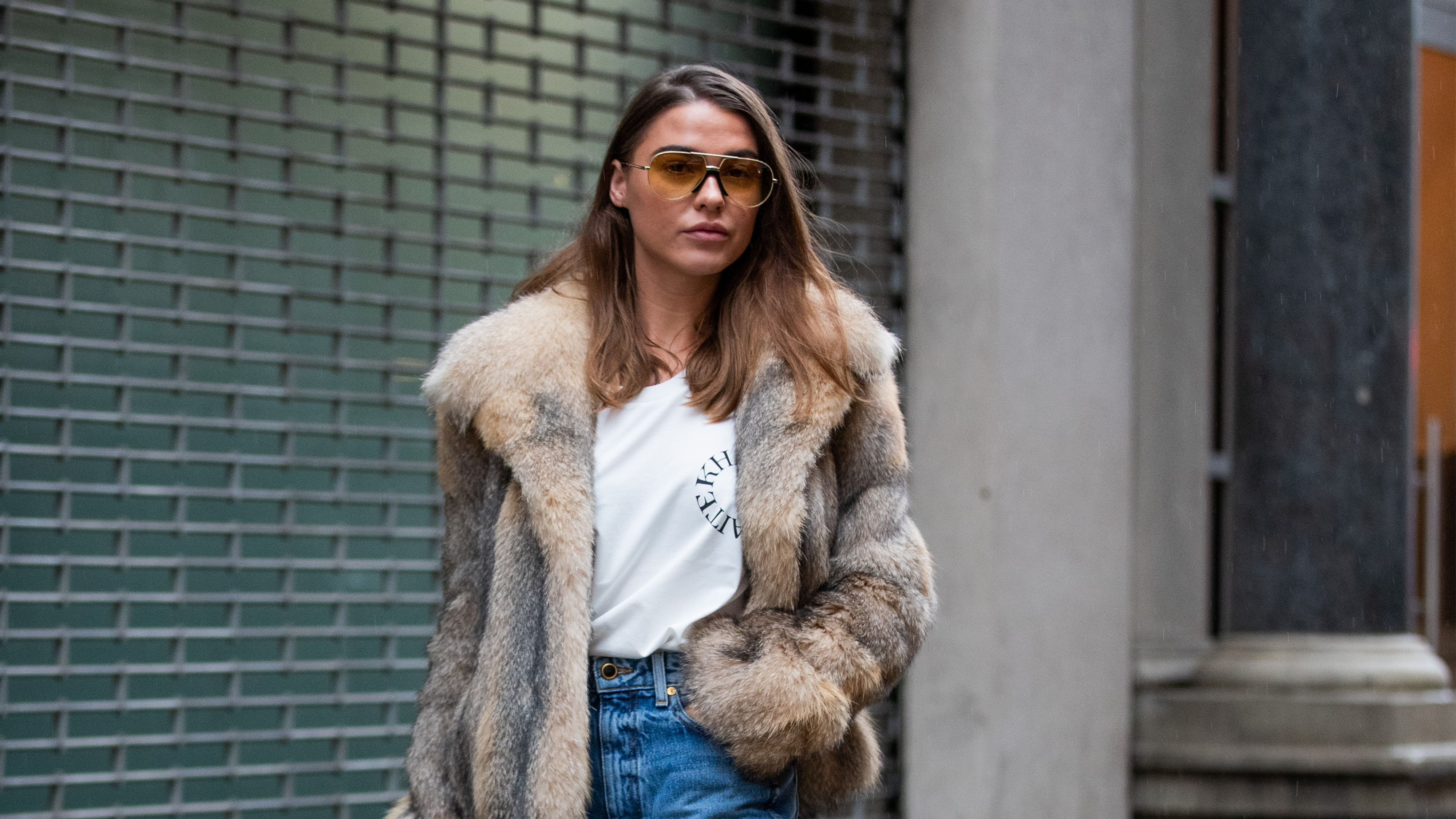
Styling in Publications: Within the realm of magazines and printed media, fashion stylists hold a significant position. They work hand-in-hand with photographers, designers, and art directors to craft a compelling visual story. For instance, in a winter issue photo session, a stylist could emphasize layering styles that reflect both contemporary fashion and enduring sophistication, offering readers inspiration that feels both fresh and timeless.
Commercial Styling: Advertising campaigns often involve stylists to align the clothing and accessories used with the brand’s vision and target market. A brand targeting a youthful demographic may opt for styles that are avant-garde or street-inspired, thus requiring a stylist who understands these nuances and can effectively translate them into compelling visual content.
Skills and Qualifications
Understanding of Fashion and Its Evolution: An effective fashion stylist should have a broad knowledge of the fashion world, covering both contemporary and past trends. This requires staying informed about global fashion events and recognizing how cultural and societal factors impact fashion.
Personal Aesthetic Judgment: Stylists need to have a strong personal sense of style but also the ability to put their personal preferences aside to embrace the desired look of the client, brand, or project at hand. Their judgment will affect how well the fashion narrative resonates with the target audience.
Interacting and Teamwork: Being a fashion stylist is rarely an isolated job. This position necessitates outstanding communication abilities to partner with photographers, designers, makeup professionals, and clients. Effectively conveying ideas and working smoothly as part of a team is essential for the successful completion of a project.
The Diverse Work Environment
Fashion stylists work in a variety of settings. Some accept freelance assignments, which gives them the liberty to work across different niches and geography. Others may choose to work within large fashion houses, marketing firms, or entertainment industries. This diversity allows for a dynamic career path where a stylist might switch from the glossy pages of a fashion magazine to the bustling backstage of fashion week.
The Impact of Societal Fashions
Understanding cultural contexts is crucial in styling fashion. For example, merging historical patterns with contemporary styles is an emerging trend, showcasing the impact of globalization. A proficient stylist should not only blend these features with finesse but also honor their heritage. This skill to unite different cultural aesthetics weaves a diverse tapestry that enriches fashion’s intricate storyline.
The vocation of a fashion stylist is both complex and fulfilling. This role combines creativity with practicality, necessitating both an imaginative outlook and systematic application. Stylists are influential in determining how people view fashion, crafting a conversation between the clothing and the observer. By connecting design with individual expression, fashion stylists remain essential creators of the visual aspects of culture.

:max_bytes(150000):strip_icc()/VWH-GettyImages-2168531818-3e0c9a6c46fe445ab049a4daf639baa5.jpg "How To Incorporate Glycolic Acid Into Your Skincare Routine, According To The Experts")

