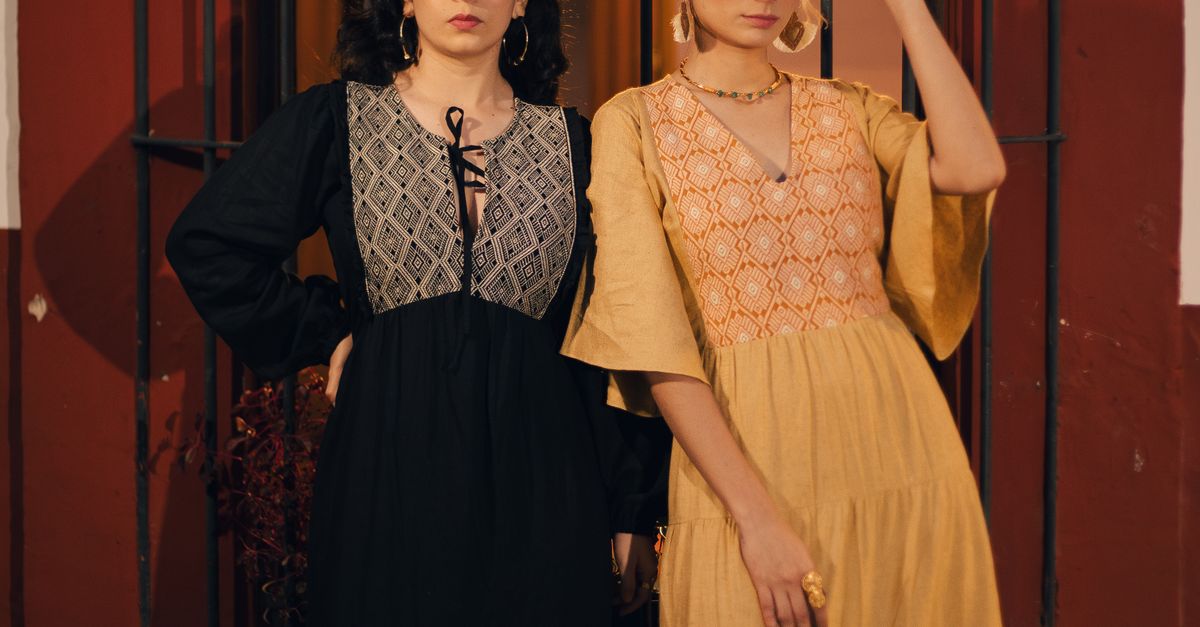
Gender-fluid fashion is a concept that challenges the traditional boundaries set by binary gender norms in clothing. Rather than adhering strictly to masculine or feminine styles, gender-fluid fashion embraces a spectrum of possibilities, allowing individuals to express themselves without limitations imposed by traditional gender roles. This fashion movement not only reflects changing societal norms but also plays an integral role in promoting inclusivity and self-expression.
The Evolution of Gender-Fluid Fashion
Historically, clothing has served as a major indicator of gender identity, with specific silhouettes, colors, and designs traditionally designated for men and women. Yet, from the late 20th century into the early 21st, fashion has undergone a marked transformation toward broader inclusivity. Factors including the LGBTQ+ rights movement, the influence of social media, and an expanding view of gender as a spectrum have collectively encouraged wider acceptance and the rise of gender-fluid style.
Celebrities and influencers have been central to driving this trend forward, with figures such as David Bowie, Prince, and more recently Harry Styles consistently pushing past traditional fashion boundaries by embracing attire commonly linked to another gender. Their bold choices have motivated countless followers to experiment with their personal style beyond conventional gender expectations.
Characteristics of Gender-Fluid Fashion
Gender-fluid fashion is characterized by versatility and a disregard for traditional gender dichotomies. Key features include:
1. Neutral and Bold Colors: While gendered fashion often associates certain colors with specific genders (e.g., pink for women, blue for men), gender-fluid fashion utilizes a broad palette. It ranges from neutral tones to vibrant, bold shades, emphasizing personal preference over traditional gender norms.
2. Varied Silhouettes: This approach promotes blending traditionally masculine and feminine shapes, allowing, for instance, a gender-fluid person to match crisp tailored trousers with an airy blouse or pair a classically feminine skirt with a sharply structured jacket.
3. Unconventional Patterns and Textures: Patterns such as florals or polka dots, traditionally seen as feminine, or houndstooth and pinstripes, seen as masculine, are employed without discrimination. Mixing multiple textures—such as lace and leather—further defies traditional conventions.
4. Accessory Flexibility: Accessories, once heavily gendered, now hold a prominent place in gender-fluid fashion. Items like earrings, necklaces, and bags are chosen based on aesthetic appeal rather than gender-specific purposes.
How the Fashion Industry Is Being Affected
The surge in gender-fluid fashion has pushed the fashion world to reconsider its classic design and marketing approaches, prompting many brands to launch gender-neutral collections that emphasize inclusivity and move beyond long-standing boundaries, with standout examples from major fashion houses like Gucci and innovative labels such as Telfar, recognized for offering a fully genderless shopping experience.
Retailers are increasingly reimagining their store layouts by introducing gender-neutral sections and mannequins, creating a shopping environment that minimizes gender boundaries. This evolution broadens fashion’s accessibility and appeals to a more diverse customer base, ultimately strengthening the overall market.
Cultural and Social Thoughts
Gender-fluid fashion represents far more than a passing fad; it mirrors widespread cultural shifts toward embracing and recognizing diverse identities. It underscores that identity is deeply personal and layered, granting people the freedom to express themselves and discover who they are without external expectations.
Moreover, this fashion movement’s impact has sparked broader discussions around gender fluidity, shaping public policy, influencing educational approaches, and affecting how gender is portrayed in the media. As these varied expressions of identity become more widely accepted, society cultivates a deeper sense of inclusion and embraces personal uniqueness.
At its core, gender-fluid fashion stands at the leading edge of cultural change, offering boundless, non-binary avenues for personal expression. It enables people to shape their identities and style stories on their own terms, nurturing a world where inclusivity becomes standard rather than exceptional. This perspective not only broadens the scope of fashion but also deepens our appreciation of humanity’s rich diversity.