Anxiety, a pervasive mental health concern globally, can range from mild unease to overwhelming panic. With nearly 301 million individuals experiencing anxiety disorders according to the World Health Organization, the demand for evidence-based anxiety management techniques has never been more urgent. Exploring diverse, practical strategies is crucial for both short-term relief and sustainable mental well-being.
Cognitive-Behavioral Techniques
Cognitive-behavioral therapy (CBT) stands as one of the most rigorously validated interventions for anxiety. Central to this approach is cognitive restructuring: identifying and reframing irrational fears. For example, a person convinced that public speaking will lead to humiliation can learn to challenge these thoughts—“What evidence supports this belief?”—and gradually replace catastrophic predictions with more realistic assessments.
Therapy involving exposure, a type within CBT, promotes slowly facing feared situations. By methodically confronting anxiety-provoking situations in a safe setting, the level of fear reduces over time. Research indicates that when people with social anxiety engage in brief, organized dialogues with unfamiliar people, symptoms of anxiety frequently lessen after repeated encounters.
Mindfulness and Relaxation Strategies
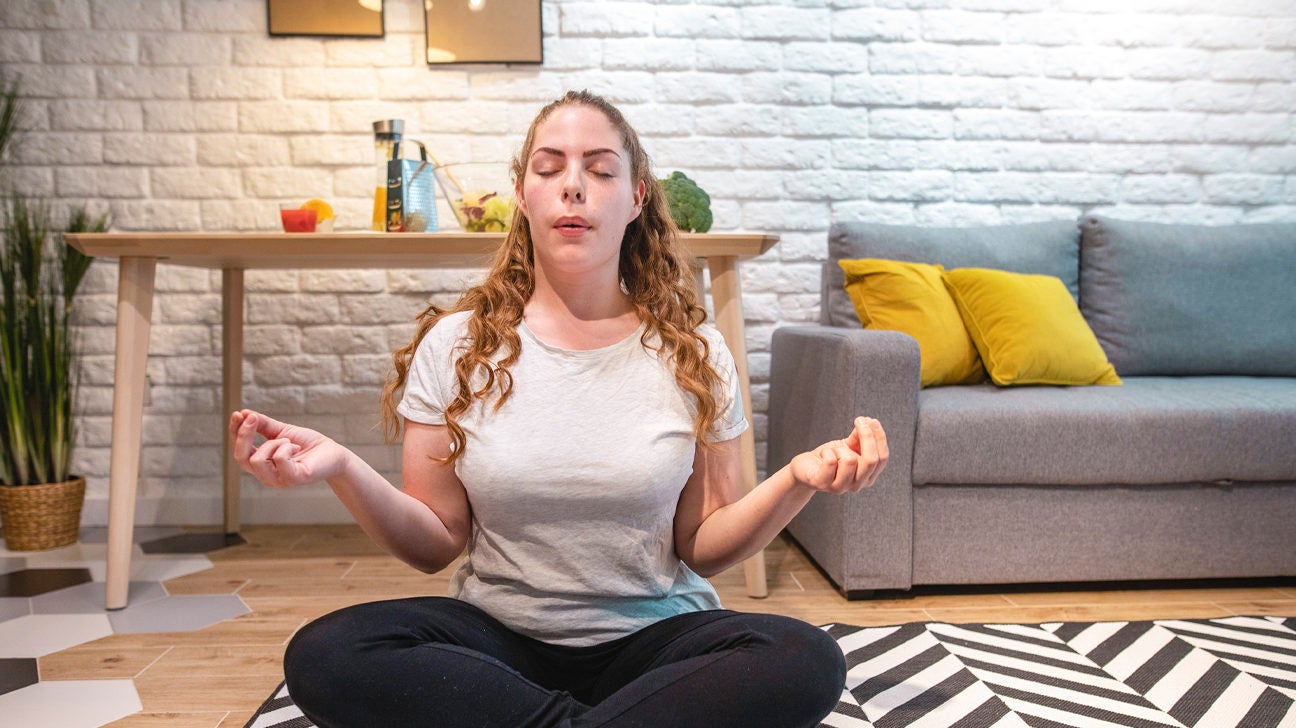
Mindfulness fosters an impartial awareness of the current moment. Originating from meditation traditions and adapted for contemporary therapeutic use, this practice aids individuals in breaking free from patterns of concern. Research featured in JAMA Psychiatry showed that individuals engaging in daily mindfulness meditation experienced notable decreases in anxiety levels over the span of eight weeks compared to those in the control groups.
Deep breathing exercises engage the parasympathetic nervous system, decreasing physiological arousal levels. The 4-7-8 method—inhaling for four seconds, holding the breath for seven, and exhaling for eight—has been proven to significantly lower heart rates and stress levels. Progressive muscle relaxation, which involves systematically tensing and releasing different muscle groups, has also demonstrated its effectiveness, especially among those with generalized anxiety disorder.
Changes in Lifestyle
Lifestyle significantly influences the management of anxiety. Exercise, like aerobic workouts, triggers endorphin production and improves emotional balance. Studies show that individuals who participate in moderate exercise three to five times a week experience lower anxiety levels than those who are less active. Moreover, maintaining proper sleep habits helps in managing emotions. This involves keeping regular sleep schedules, reducing exposure to blue light, and creating relaxing bedtime routines.
Dietary habits also influence anxiety levels. Research connects diets rich in refined sugars and caffeine with heightened anxiety symptoms. Prioritizing a balanced consumption of whole grains, omega-3 fatty acids, and leafy green vegetables might promote neurochemical balance, aiding in stress resilience.
Assistance in Social and Professional Contexts
Isolation frequently worsens anxiety. Contacting reliable people—such as friends, family members, or support groups—offers emotional support and strategies for coping. Group therapy with a structured approach has been proven to not only lower anxiety reported by participants but also to enhance social confidence.
When symptoms become unmanageable or persist beyond self-help measures, professional intervention becomes essential. Licensed therapists offer individualized treatments such as acceptance and commitment therapy, trauma-focused modalities, or pharmacological support when warranted. For instance, selective serotonin reuptake inhibitors (SSRIs) are frequently prescribed, with large clinical trials demonstrating their effectiveness for both acute and chronic anxiety disorders.
Online Instruments and Therapeutic Advances
The digital age has increased availability of therapeutic tools. Mobile applications that provide guided meditation, cognitive activities, and mood monitoring deliver scientifically-supported anxiety alleviation directly to users. Services like Headspace and Calm indicate high levels of interaction among those experiencing mild anxiety symptoms, particularly when used alongside conventional treatments.
Virtual reality therapy provides immersive exposure experiences—patients with phobias can, for example, confront feared scenarios in a safe digital environment, showing significant reduction in avoidance behaviors over time.
From Methods to Change
The path from anxiety to equilibrium is inherently personal. While singular interventions provide relief for some, a layered, adaptable approach often yields the greatest benefit. Integrating cognitive, behavioral, somatic, social, and digital strategies allows individuals to construct a multifaceted toolkit tailored to diverse life circumstances. As scientific research advances and the stigma surrounding mental health continues to diminish, proactive anxiety management can empower individuals not only to cope but to flourish, embracing uncertainty with greater confidence and composure.