

Grasping the Definition of ‘Outfit’
The term outfit is deeply ingrained in the lexicon of fashion and personal expression, yet its implications stretch beyond mere clothing choices. This article delves into the diverse meanings and contexts in which the word is used, offering a comprehensive exploration of its various dimensions.
Historical Context and Evolution
The word outfit originated in the mid-18th century and was initially used as a nautical term to describe the act of equipping a vessel. The composition of tools and supplies necessary for a journey was termed the ship’s outfit. This practical application underscored the importance of appropriate preparation for the specific needs of an expedition.
In the late 19th century, the meaning of outfit expanded to include the clothing and accessories that an individual wears. This shift reflected a growing socio-cultural emphasis on personal appearance and the role of garments in expressing identity.
The Contemporary Interpretation of ‘Outfit’
Today, an outfit is often defined as a set of clothes worn together, typically with the intention of creating a particular look or style. It can refer to anything from casual wear assembled for a day at the park to a formal ensemble for a wedding. Key components of an outfit comprise garments, footwear, and accessories like jewelry, hats, or scarves.
The Role of Outfits in Fashion and Identity
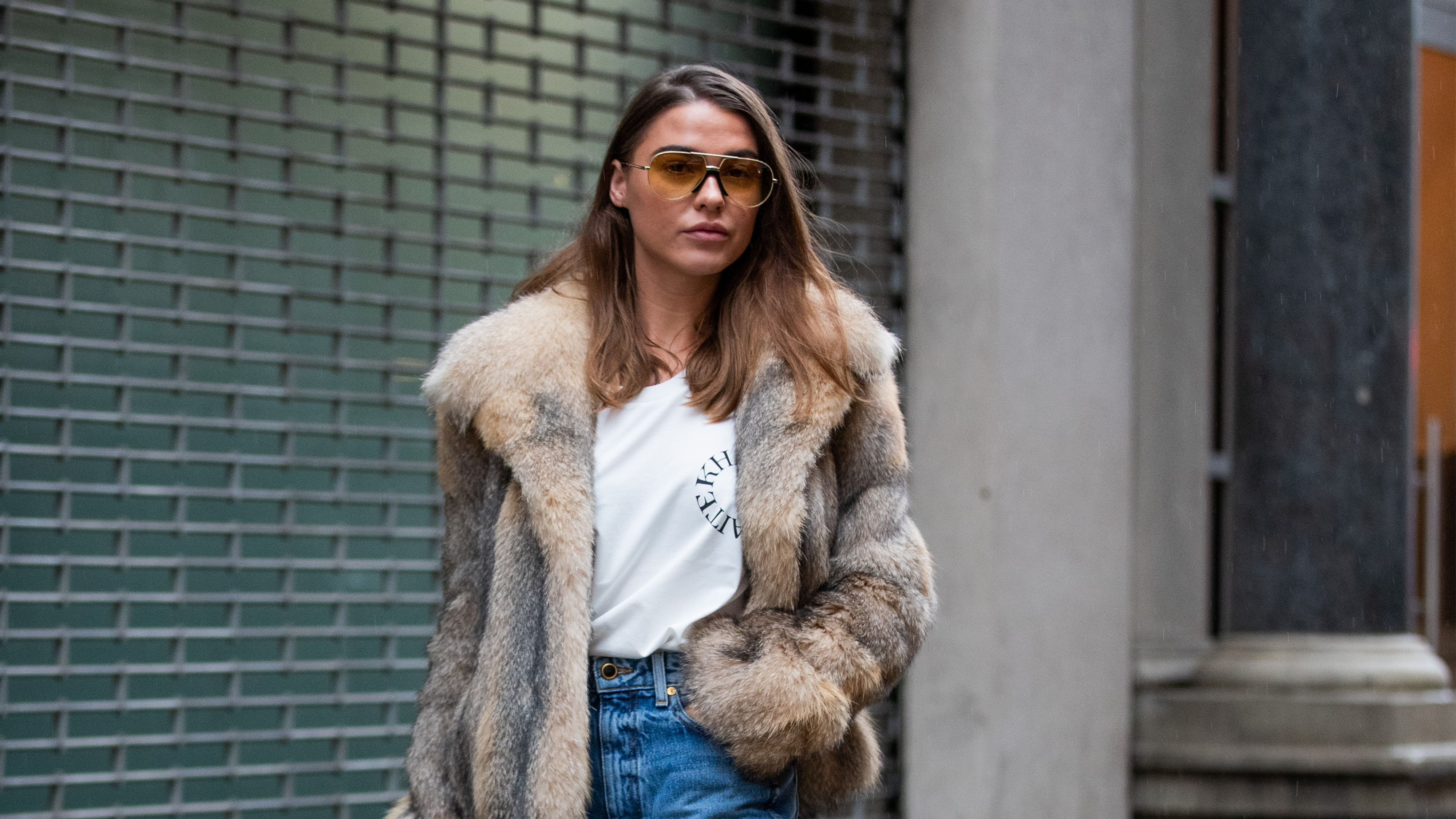
Fashion is a robust vehicle for self-expression, where outfits serve as the canvas. People meticulously choose garments to portray their mood, personal taste, or alignment with certain cultural or social groups. Here are a few examples illustrating the importance of outfits as identity markers:
1. **Proper Clothing**: In business environments, a carefully selected ensemble can convey professionalism, assurance, and skill. Clothing in these settings typically follows established dress guidelines, like suits and ties or business casual attire.
2. **Traditional Attire**: Customary garments embody ethnic heritage and are donned for celebrations or ceremonies. They are vital in maintaining cultural identities and societal values. Examples include kimonos in Japan, saris in India, and dashikis in areas of West Africa.
3. **Streetwear and Subcultures**: Certain fashion movements and subcultures are characterized by particular clothing styles. For instance, the punk scene is known for its leather jackets and torn jeans, whereas contemporary streetwear typically includes logoed sneakers and large hoodies.
Outfits Beyond Fashion: Organizational Context
Beyond fashion, the term outfit can also refer to groups or organizations, particularly in informal settings. This usage is a nod to the word’s historical roots in denoting equipment or gear, paralleling how a team’s structure equips it for specific goals. Consider these examples:
– **Military and Law Enforcement**: The term can describe a unit or division within the military or a police force. For example, a specialized task force might be colloquially referred to as an “elite outfit.”
– **Business and Entrepreneurship**: In the language of entrepreneurship, a new business or firm might be called an organization. This wording highlights the teamwork and unity needed to function effectively.
Thoughts on the Flexibility of ‘Outfit’
The expression ensemble holds a diverse array of implications that cover personal, cultural, and organizational aspects. Its versatility represents the core of human adaptability and complex character. Be it in relation to clothing or team efforts, the term suggests a notion of intentional gathering geared towards accomplishing a specific result. Through these different perspectives, ensembles are not merely a collection of garments or organizations but an essential component of how we shape and express our identities to those around us.

:max_bytes(150000):strip_icc()/VWH-GettyImages-2168531818-3e0c9a6c46fe445ab049a4daf639baa5.jpg "How To Incorporate Glycolic Acid Into Your Skincare Routine, According To The Experts")

